09 / 10 / 2026
The National Park Choked by Fish Farms
Greece’s $900 million dollar aquaculture industry is sacrificing sea life as it slowly strangles one of Europe’s most important marine sanctuaries.
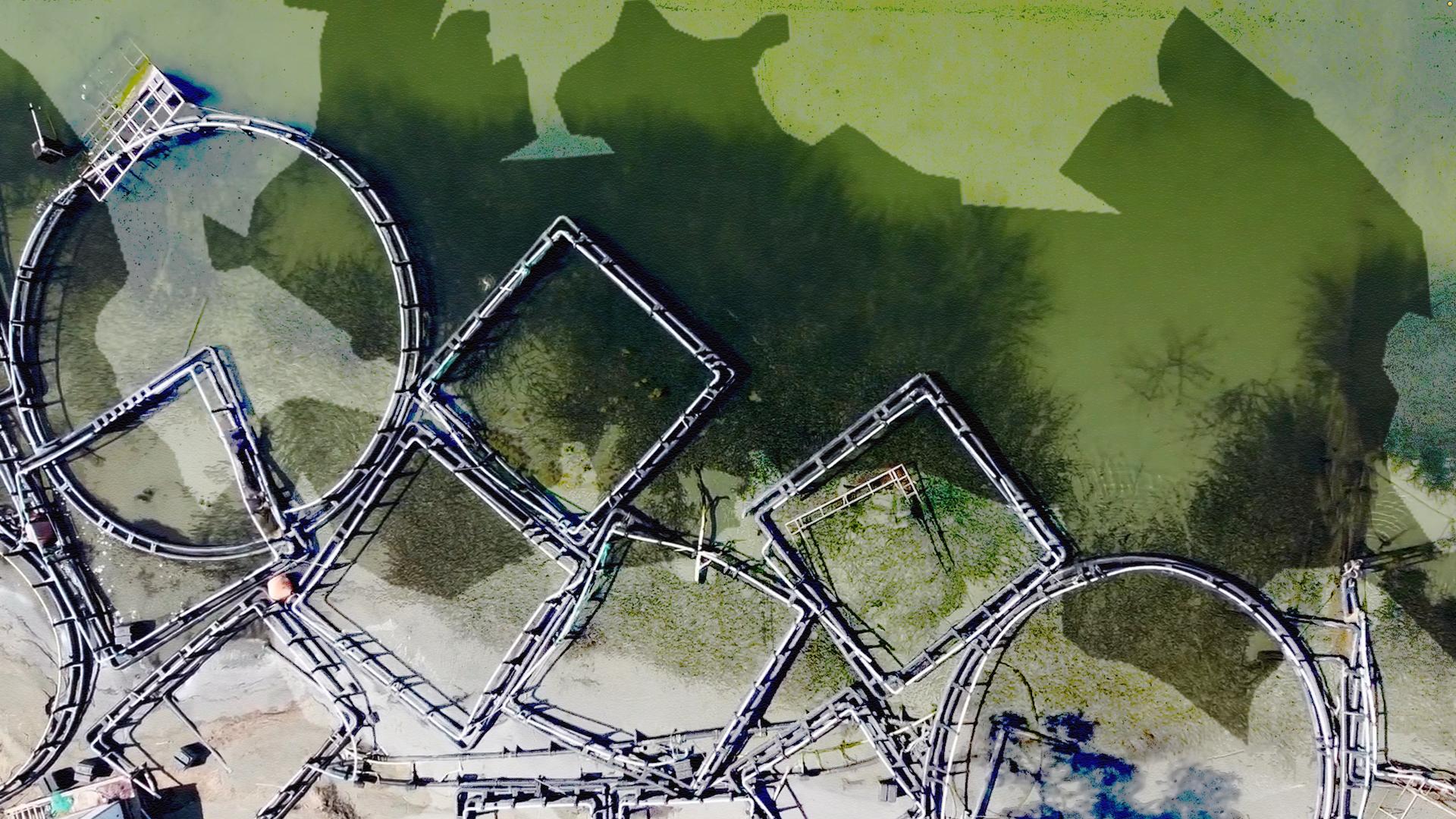
Greece’s $900 million dollar aquaculture industry is sacrificing sea life as it slowly strangles one of Europe’s most important marine sanctuaries.
For two thousand years, the Ambracian Gulf in western Greece provided life to communities along its shores. Today, it’s an industrial graveyard.
Trace along the Gulf’s northern coast and you’ll uncover beaches of Styrofoam, not sand. Descend into its murky depths and you’ll find waters depleted of the oxygen essential for marine life. Scour the nets of local boats and you’ll find few fish.
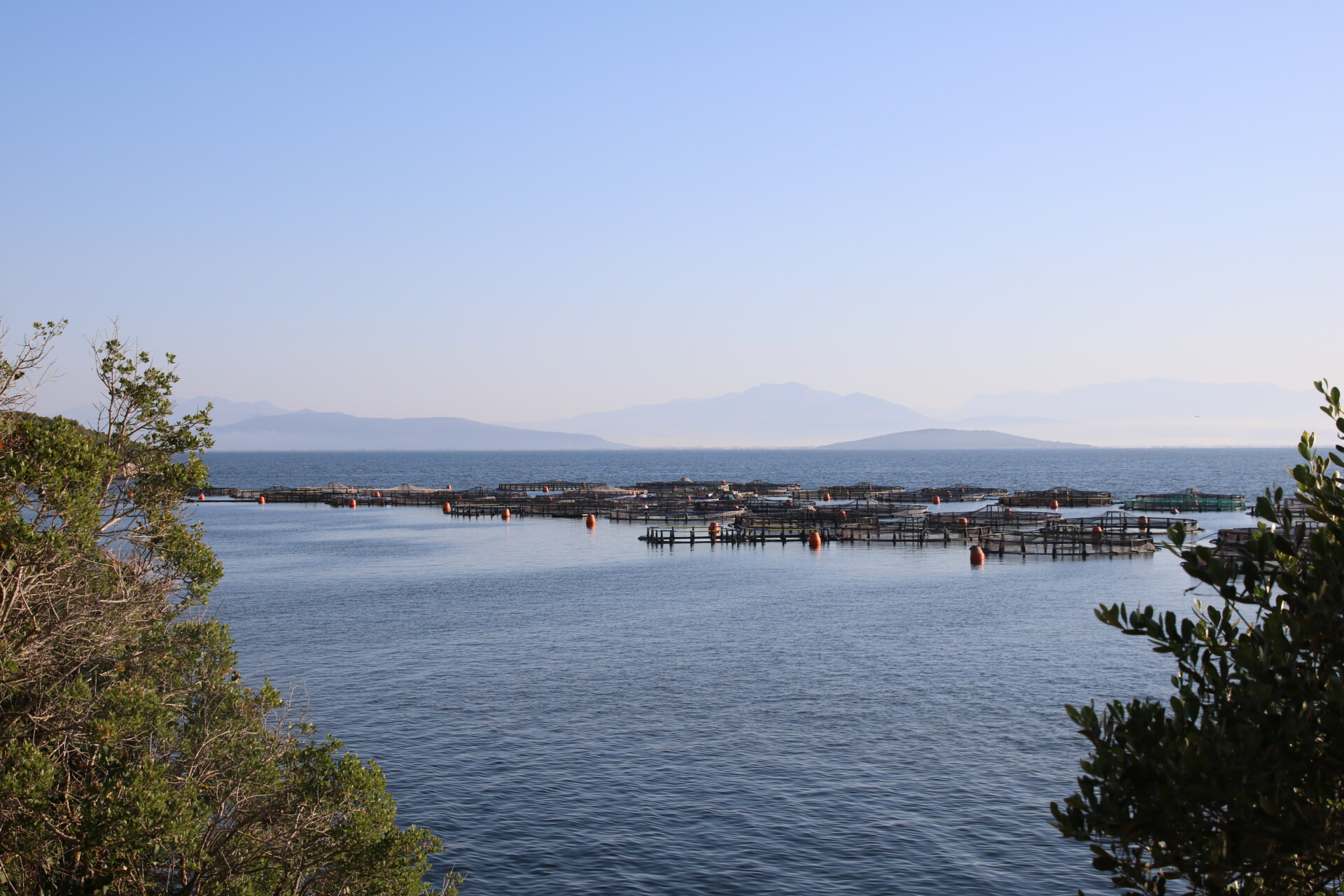
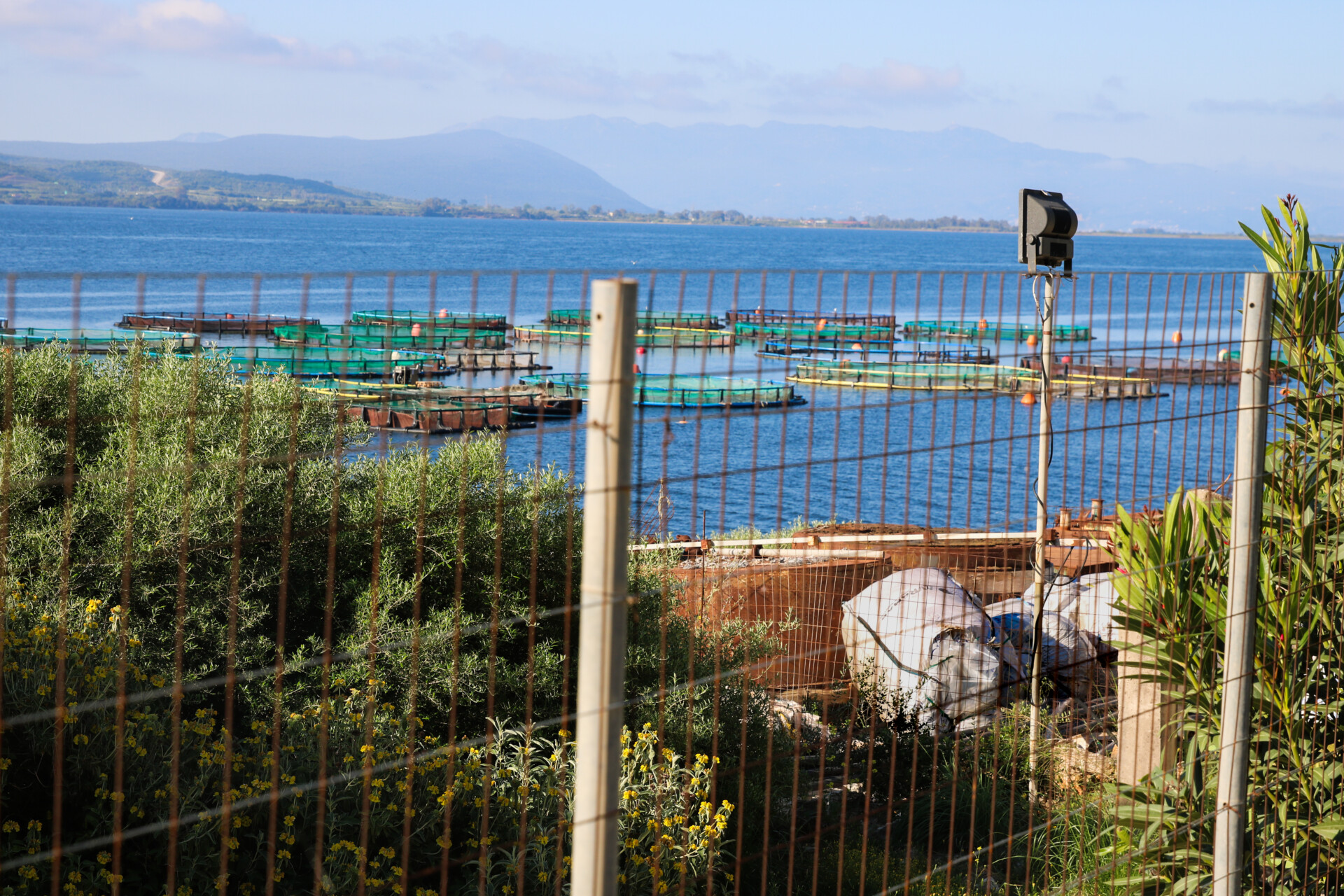
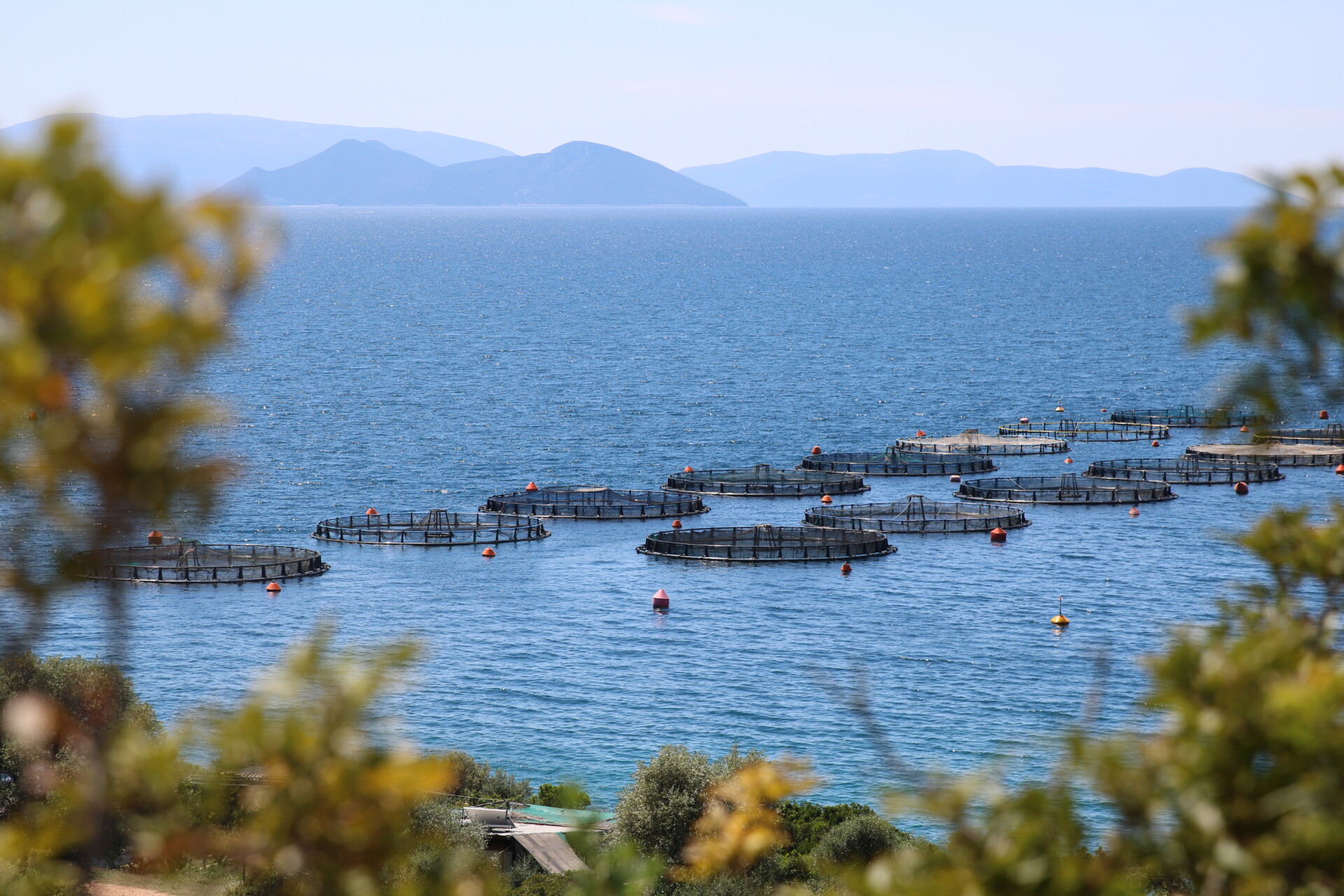
A national park, protected wetland and marine protected area, the Gulf is, on paper, a supposed sanctuary for sea life. Yet, critically endangered bottlenose dolphins, loggerhead turtles, and Dalmatian pelicans share this home with 19 active and 11 abandoned fish farms. Despite the harms, the Greek government wants more.
As the most valuable farmed finfish industry in the European Union, Greece produces over 120,000 tons of fish annually, exporting most overseas. But here, in the Ambracian Gulf, the continent’s gamble on the blue economy has hit a biological wall. This is the epicenter of an intensifying debate over industrial aquaculture.
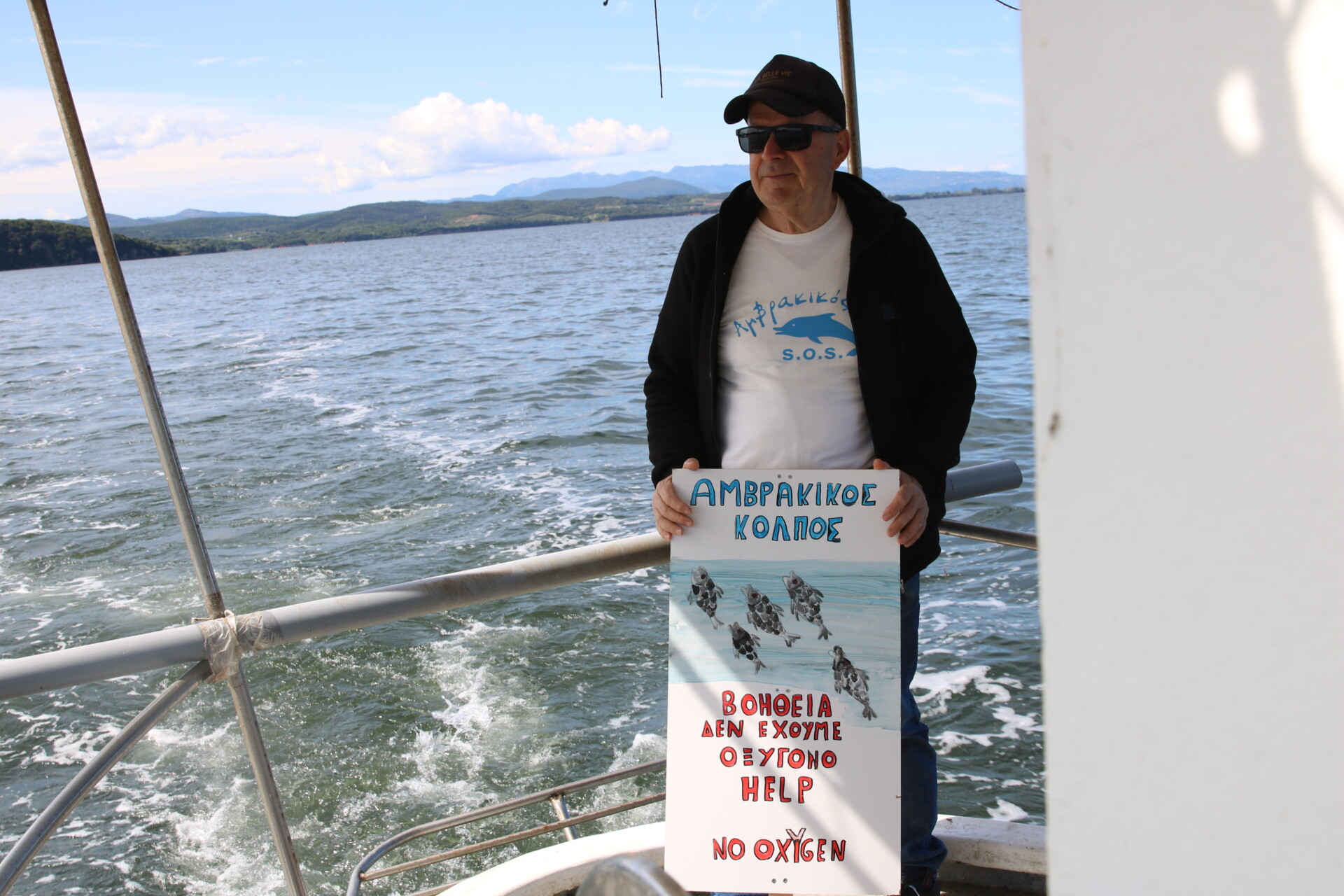
“It’s like having a vulnerable cancer patient and letting him keep smoking,” said Roxani Naasan Aga-Spyridopoulou, a marine scientist from Thessaloniki who opposes plans to double the Gulf’s fish farming output. “Something needs to be done for Amvrakikos because it’s dying,” she said, referring to the Gulf by its Greek name.
While Greek waters have hosted industrial aquaculture since the 1980s, the blueprints for its widescale expansion—into designated aquaculture regions known in Greece as POAYs—were never debated in public nor decided by the communities they’d displace. Instead, they were fast-tracked by eight government ministers in the dead of night during a Prime Ministerial confidence vote, at the height of the 2011 Eurozone crisis.
In November 2011, amid mass protests over Greece’s austerity measures and the deepening economic crisis, 3,000 protestors packed the streets outside the Greek parliament, chanting “Thieves! Thieves!” Inside, cabinet members—including one whose family owned the oldest industrial fish farm in Greece—signed a decree to expand aquaculture areas 24-fold.
By dawn, 60,000 acres of coast had been earmarked for multinational companies in a desperate bid for foreign investment. By dusk the following day, Prime Minister George Papandreou had resigned and the government had collapsed. The POAYs, however, remained and over the last 15 years have been slowly rolled out across Greece’s once-pristine waters.
Greece is not alone in its ambition to farm more fish. Globally, aquaculture is a $313 billion industry, the fastest growing sector of the food business, whose growth is driven by the planet’s explosive appetite for seafood. The planet today consumes twice the amount of seafood as it did decades ago. More than half of all seafood consumed by the world’s population now comes from aquaculture rather than fish caught in the wild.
But the rapid expansion of fish farming has come with a variety of social and environmental impacts. What economists often call “externalities,” these costs exact a price primarily paid by the poorer countries where the feed ingredient is harvested and processed, far from where the resulting luxury types of seafood are eaten.
Many of these costs are especially hidden because they are buried within the feed that goes into producing farmed fish. The most popular types of farmed seafood around the world—salmon, shrimp, trout, seabass, seabream—are fed what is known as fishmeal, protein-rich powder made from the very kinds of wild fish that aquaculture claims to be saving, thereby accelerating ocean depletion.
Across five years, US-based news organization The Outlaw Ocean Project carried out a wide-reaching investigation of the global fishmeal industry–now being published by partners including Solomon, The New York Times (USA), El País (Spain), The Economist (United Kingdom), Le Monde (France), CBC (Canada). It found evidence of forced labor, environmental contamination, and the destruction of local fishing livelihoods from Senegal to Peru.
Greece’s Ambracian Gulf offers an example of the highly visible impacts suffered by the communities engaged in farming seafood. A semi-enclosed fjord-like ecosystem, the Gulf is only connected to the Ionian Sea by a narrow bottleneck just 600 meters wide. Unable to breathe like open seas, the Gulf takes years for its water to fully replenish. It’s a slow-moving, almost stagnant basin, where nearly every drop of aquaculture waste—uneaten nutrient-rich feed, fish excrement or carcinogenic chemicals—sinks to the seabed.
[Explore the interactive map of aquaculture in Greece, which brings together data on active and abandoned fish farms, protected marine areas, and areas designated for the development of aquaculture.]
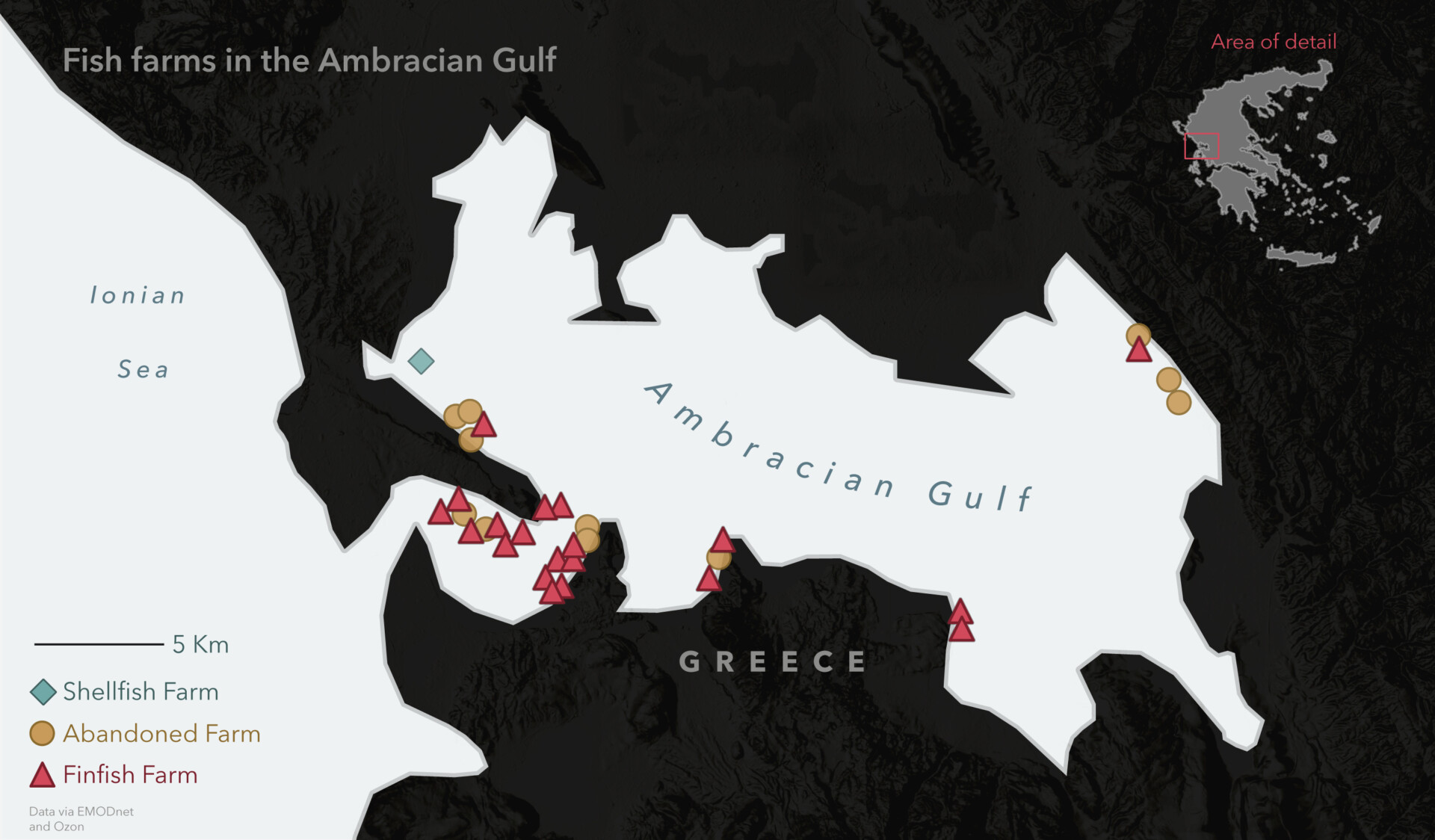
Exacerbating existing factory pollution and agricultural waste run-off from two feeder rivers, fish farms here are accelerating eutrophication—a process that triggers deadly algal blooms and strips water of oxygen.
The result is an underwater desert. Once home to critical carbon-capturing seagrass meadows, the areas surrounding the Gulf’s cages are a biological “no man’s land,” according to divers. Arms-length visibility. Murky brown water. And a ghostly white, bacterial blanket.
Trapped between the anoxic seafloor and the warming surface temperatures, wildlife find themselves squeezed in the middle of a shrinking habitable zone.
For the fishermen who have spent their lives hauling nets, the science of anoxia simply means the end. Fifty years ago there were over 5,000 fishermen in the Gulf. Now, in the wake of aquaculture, there are just a few hundred, according to Pavlos Charalambous, a fourth-generation fisherman who now leads the local fishing association.
“There is no fish in the bay, no fish in the lagoon, no fish at all,” Charalambous said. Since he caught his first fish aged six, Charalambous has watched the Gulf slowly wane in health while fish farms creep in at the edges. “The sea is about 70 to 80 percent dead,” he said over the hum of his boat’s engine—a vessel dwarfed by the farms measuring up to a thousand feet in length.
In the 1960s, a fisherman could catch over 300 pounds of shrimp in a day. Today, local fishermen say they’re lucky to catch five. Hake have vanished and shell fisheries have collapsed—their memory now only preserved in faded black-and-white photos adorning taverna walls. This year, Charalambous hasn’t seen a single red mullet, a species he could once rely upon for income.
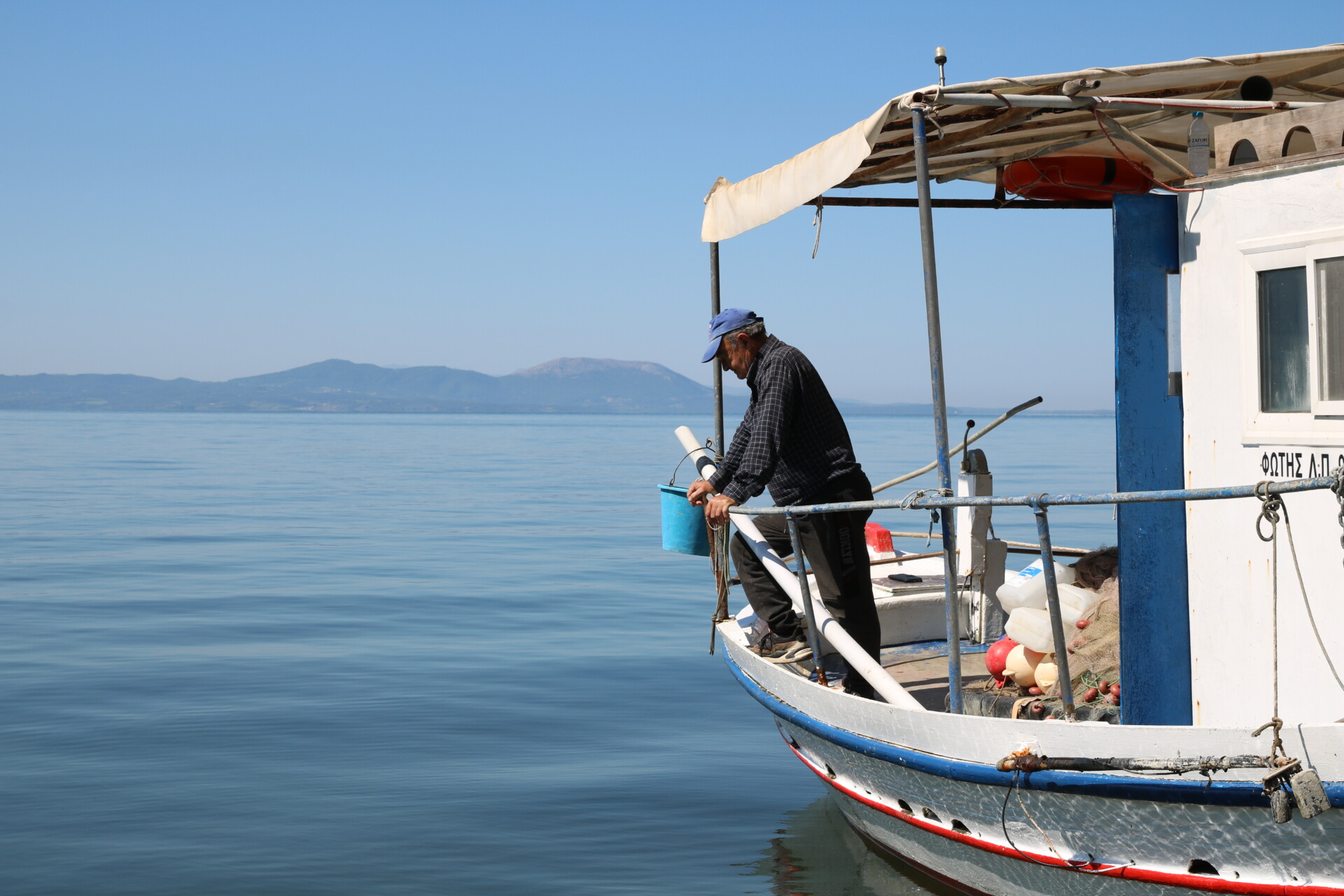
For one of the poorest regions in Greece—where the average salary hovers less than half the EU median—dwindling fish stocks bring a stark economic sentence. Yet, for the industrial giants whose black-ringed pens litter the Gulf’s surface, the area is merely a factory floor.
An almost $700 million export engine, Greece ships the majority of its sea bass and sea bream to the dinner tables of France, Spain and Italy each year. While the environmental debt is left along its shores, profits are extracted by a revolving door of foreign private equity backed by Abu Dhabi sovereign wealth funds, Luxembourgian capital, and Canadian seafood giants.
The ecological tragedy is compounded by the “magnet effect” whereby the last wild stragglers are attracted to the pulsing lights of pens and the constant raining down of high-protein fishmeal. With the majority of farms clustered at the Gulf’s narrow entrance, wild schools of fish are intercepted at the cages before they ever reach the natural lagoon nurseries further in.
These lagoons have been seasonally harvested for two millennia with traditional, low-impact traps—a system first engineered by Romans. Now, industrial aquaculture is hijacking the ecosystem’s ancient cycle.
“If the fish don’t enter the Ambracian, they don’t enter the lagoon either,” said Andreas Kotsarinis, standing precariously on the edge of a half-empty traditional trap fence, a cigarette smouldering in his hand.
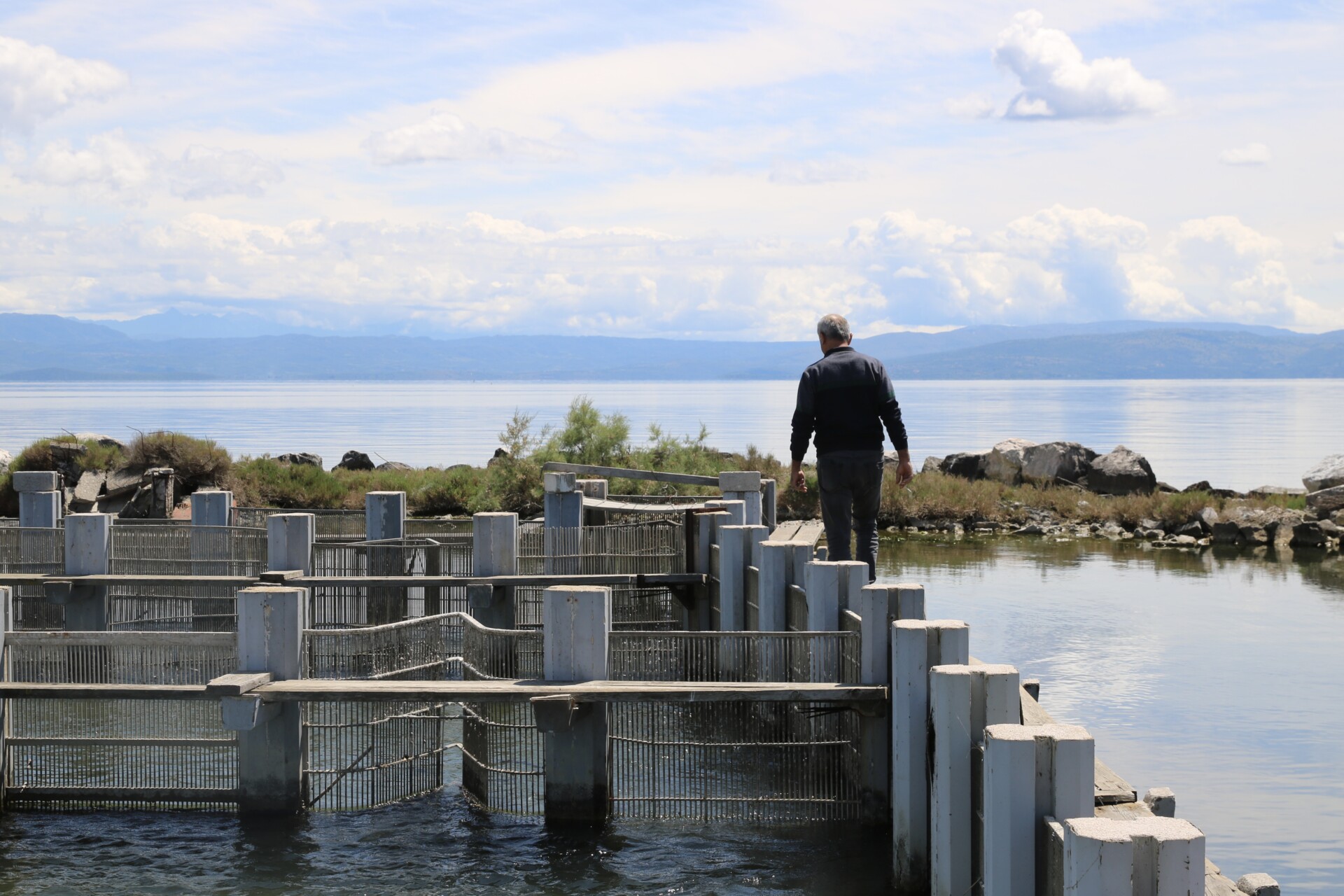
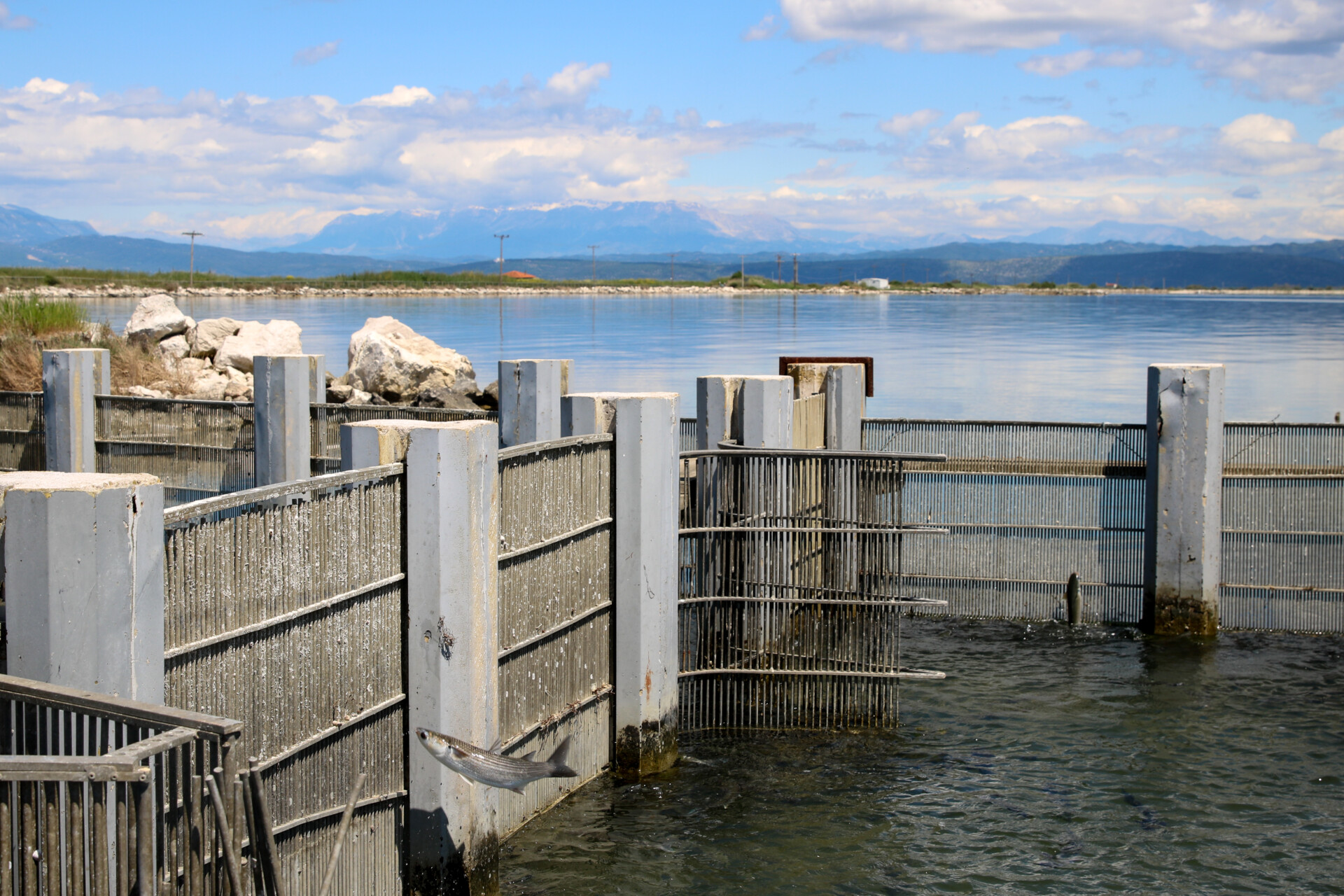
As one of the last 23 lagoon fishermen remaining, he predicts the ancient craft that has sustained populations living under Roman, Byzantine, Ottoman and modern rule will soon die. “Young people don’t see a day’s wage,” said Kotsarinis, noting the average age is now around 60. “There’s no money in it. It’s not worth it.”
As a lifelong connoisseur of Ambracian fish, Charalambous is wary of the product being shipped from the “magnet” pens to international customers. Pointing towards the cramped cages, their water discolored from excrement, he talks of the harsh chemicals used to quash bacterial outbreaks.
“They plunge them in a bath with formaldehyde,” he said, describing the treatment of diseased fish. “The bacteria dies but the fish gills turn black.”
While formaldehyde, a carcinogenic chemical, is permitted under EU law as biocidal treatment for living fish, it is strictly prohibited to add as a post-harvest preservative given the risks to human health.
For diners in a French bistro or shoppers in a Spanish supermarket, the potential consumption of a known carcinogen is part of the hidden cost of the “Blue Economy”—a trade off between food safety standards and industrial efficiency. And, with nothing to stop their spread, chemicals drift freely to the wider habitat.
While EU law mandates the Gulf’s water quality must improve from “poor” to “good” by 2027, the Greek government is currently in the process of doing the exact opposite: Working to expand the assigned fish farming area over 110 percent in a bid to more than double the yearly local output to over 8,000 tons.
Ironically, as the government looks to increase the number of fish farms, the number of sites being abandoned is also rising.
One third of the region’s sites are now reportedly forgotten and unfarmed. Ghost nets trap blue crabs. Synthetic mooring lines leach microplastics. And polystyrene-packed pens sit on shorelines cracking in the sun.
Here, the skeletons of farms, rusted barges, and land-based facilities leave behind a labyrinth of trash measured in tons. From above, the shoreline blurs into a patchwork of muddy water, debris, and abandoned infrastructure.
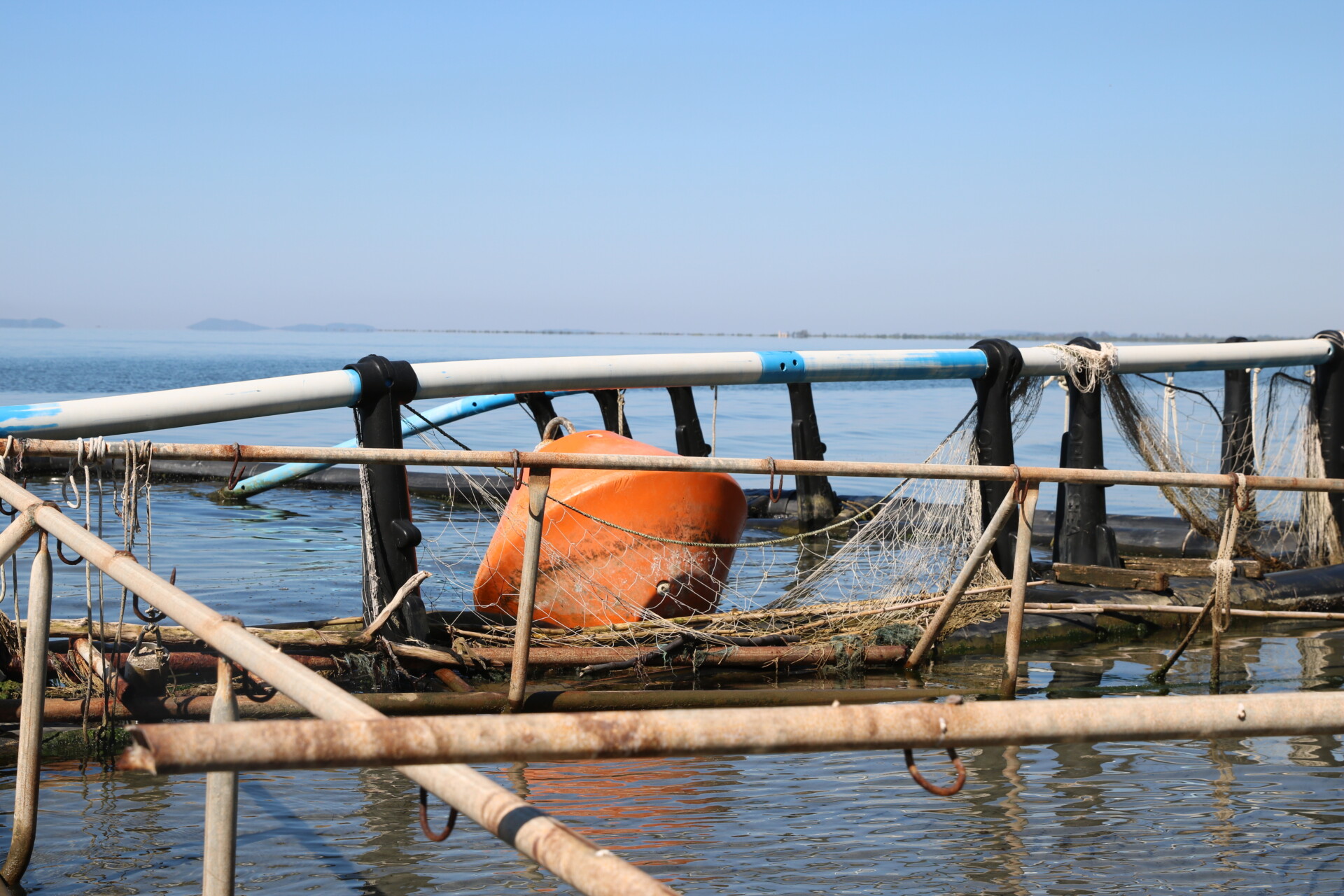
“You can see all sorts of environmental atrocities in Amvrakikos,” said Anastasios Filippides, executive director of OZON, a Greek environmental NGO that recovered over 120 tons of marine debris from a single site in the Gulf in October 2024. “It’s such a pity because it’s a beautiful place,” he said. “The whole thing is completely insane.”
Across the country, there are more than 140 abandoned farms where owners went bankrupt or simply walked away. Extracting hundreds of tons of debris, OZON and its partner Healthy Seas grapple with the kind of archetypal Greek bureaucratic inertia that takes years simply to get permission to clean degraded coves.
“It’s not a question of the state having lost control over the process, the state does not want to control the process,” said Filippides, highlighting how the banks that take possession of the bankrupted businesses pass the buck on cleaning responsibilities. “The state is completely unable to deal with the issue.”
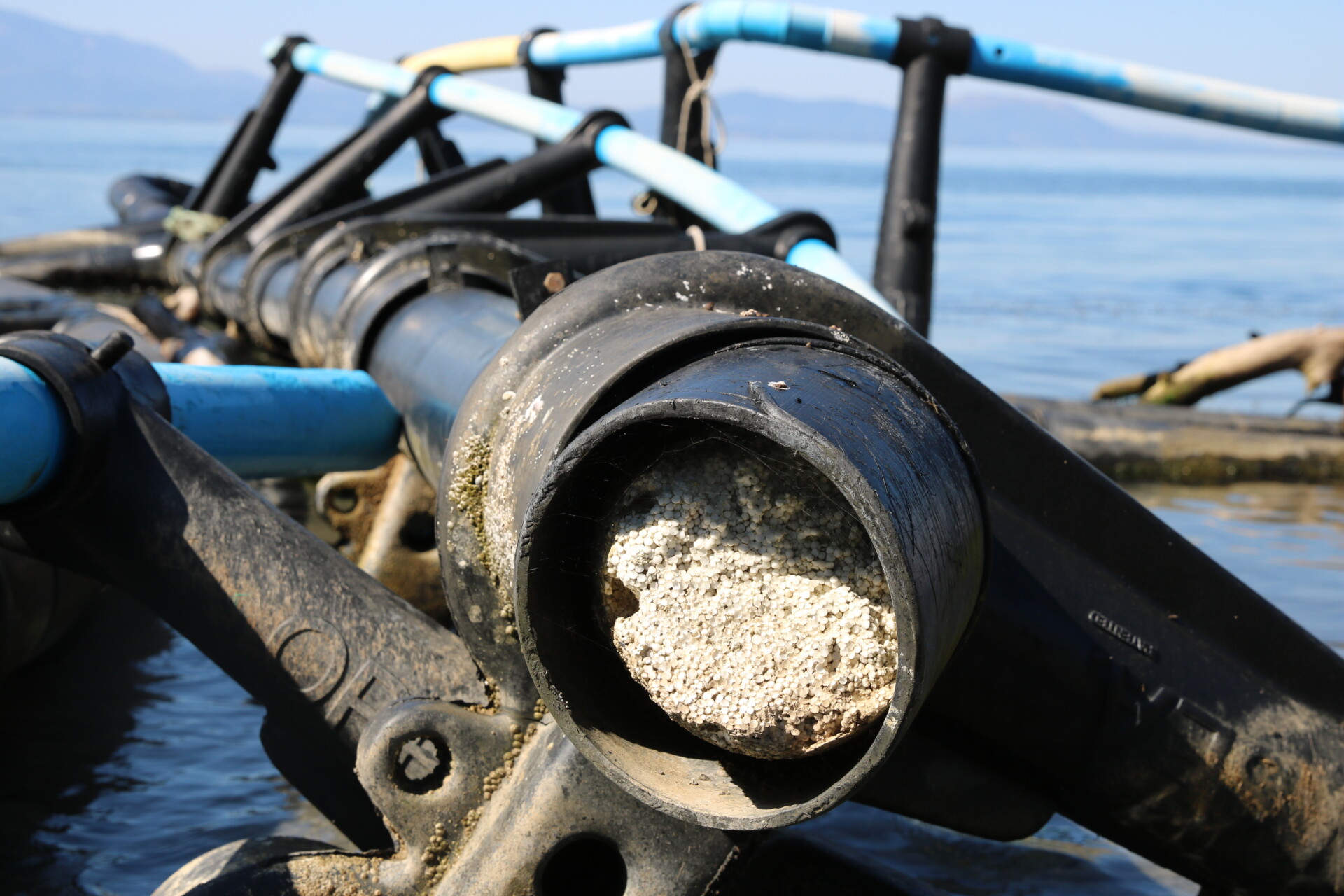
As floating farm infrastructure and buoys deteriorate, the expanded polystyrene pellets inside them spill into the sea and disperse with the currents. Acting like a sponge with a green biofilm layer forming on top, they readily collect pathogens. Filippides reports witnessing fish skim the surface gobbling up these infectious beads, which resemble feed pellets.
“This styrofoam is lost forever,” he said, explaining how the beads scatter throughout the ocean—nearly impossible to recover and taking an estimated 500 years to disintegrate. Scoop up sand from the abandoned bays near Menidi—a fishing village where almost half the dozen remaining fishermen share a surname—and your hand will resemble a cardboard box filled with packing peanuts.
“Traveling over large distances, they can spread everywhere,” said Filippides, whose research has shown over one third of all coastal litter in Greek waters is expanded polystyrene balls, much coming from aquaculture.
A letter signed in November 2025 by almost 40 scientific stakeholders and community members opposing farm expansions here in the Gulf signaled a rare moment of consensus. With signatures from international groups like Greenpeace and the World Wildlife Fund, and local specialist shark and ray researchers, the letter highlighted the Gulf’s vulnerability.
“The entire Amvrakikos Gulf is considered important for the conservation of biodiversity, a fact that would make any expansion of fish farms within the Gulf environmentally problematic,” said the signed report.
For environmental non-profit iSea—which leads the Amvrakikos Alliance, a collection of local marine biologists and advocates—the value of the Gulf for endangered wildlife cannot be overstated.
“Fish farms are causing a threat to the ecosystem, which would be exacerbated by their expansion,” said Martina Ciprian, an Italian-born project manager who has researched Greek aquaculture for almost four years.
“The behaviour of marine megafauna will be affected. The seagrass meadows below the cages will be lost. All the benthic species that are living close to the fish farms are likely to experience significant negative impacts,” she said, referring to animals, plants, and microbes living on the seabed. “Given the fragile ecosystem of the Amvrakikos Gulf, aquaculture is not a sustainable practice.”
Ciprian’s list of ecological threats is extensive: Cormorants and pelicans tangled in farms’ protective nets; giant pen shells dying in one of their last known locations globally; and the plundering of oceans in the Global South to feed carnivorous fish.
Indeed, all but one farm in the Gulf uses fishmeal made from wild caught fish in their feed. While bivalves, such as oysters and mussels, do not typically require external feed, a farmed seabass or sea bream at some Mediterranean farms eats more than two-and-a-half times its weight in wild-caught fish, according to a recent scientific study.
Multiple farms in the Gulf source feed from Avramar, according to Bait to Plate, an online tool created by journalists and researchers of this investigation that tracks the fishing and seafood industries. Based in Greece and Spain, Avramar describes itself as “the leading aquaculture company in the Mediterranean”, touting its commitment to “sustainable and responsible aquaculture practices.”
But Avramar—which was recently acquired by the Canadian company Cooke Inc., and rebranded in August to Cooke Hellas—relies, as a United Nations report put it, on “overexploited” West African sardines for its feed. It sources fishmeal from Western Sahara, which the UN considers a non-self-governing territory and is often described as the last colonial state in Africa, this investigation found. Avramar did not respond to requests for comment.
In the absence of transparency, unverified rumors about the industry run wild among locals. Farms supposedly operating without the correct licenses. Facilities abandoned when caught illegally farming European eels. Mass fish die offs covered up by farm managers. And, above all, alleged dark money flowing freely between politicians, banks, and foreign owners.
While much is murky, one thing is clear: Oversight is near non-existent. Split between five municipalities, two regions, a fractured national policy approach and a mosaic of EU regulations, everyone wants a say on Gulf aquaculture, but nobody truly holds the reins.
The Greek government did not respond to a request for comment on its aquaculture expansion plans, reported environmental damage linked to fish farms in the Ambracian Gulf, the state’s role in cleaning up abandoned farms, and allegations of government pressure on local authorities to expand fish farming.
Though the introduction of POAYs in 2011 created legal momentum for unfettered aquaculture growth, in the decade-and-a-half since, the wider Greek picture is fragmented: local activists report that nine expansions are under active opposition; eight have the same status as the fateful evening they were signed into existence; seven have been approved; and one has been rejected.
“Everything was on autopilot. Environmental concerns and democratic aspects, like what is the will of the locals, were secondary. They weren’t even concerns,” said Elina Makri, an independent journalist and spokesperson for AKTAIA, the Greek Alliance for the Protection of the Marine Environment from Aquaculture. Today’s mess, she thinks, is not necessarily the result of ill intent but a product of pure political incompetence. “It’s like the state doesn’t know what is happening,” she said.
As government-led reform stalls, the burden of curbing industry harm has shifted to communities and the courts. An August 2025 ruling against Avramar’s 800-percent expansion plans on the island of Poros established a significant precedent: The 15-year-old environmental impact assessments used to support aquaculture increases were no longer legally defensible.
From Xiromero in the west to Euboea in the east, communities have petitioned Greece’s highest court to reverse permissions granted for farms operating near their homes. In doing so, local advocates highlight a critical gap in Greek regulation: Cages are allowed just 50 meters from the coast despite other European countries requiring them to be around one kilometer from shore.
Elina Makri’s father, Stamoulis, was one such activist. A lifelong resident of Astakos—a town south of the Gulf at the center of its own POAY expansion fight—he spent decades carefully clipping newspaper articles that documented local opposition in heavy ring-binders.
“My father was not optimistic because he never saw real progress,” said Elina, highlighting the days of seeing dolphins, or even the bottom of the sea, when motoring around the bay on her father’s lap as a toddler are long gone. “It’s a sad story for democracy. People were resisting but they were not heard.”
After almost 40 years of active opposition, Elina’s father died last year. Though he never experienced positive change, he passed on the fight and ring-binders to his daughter.
For local administrators caught between the push of ecological damage and the pull of jobs, navigating fish farm policy is inherently complex.
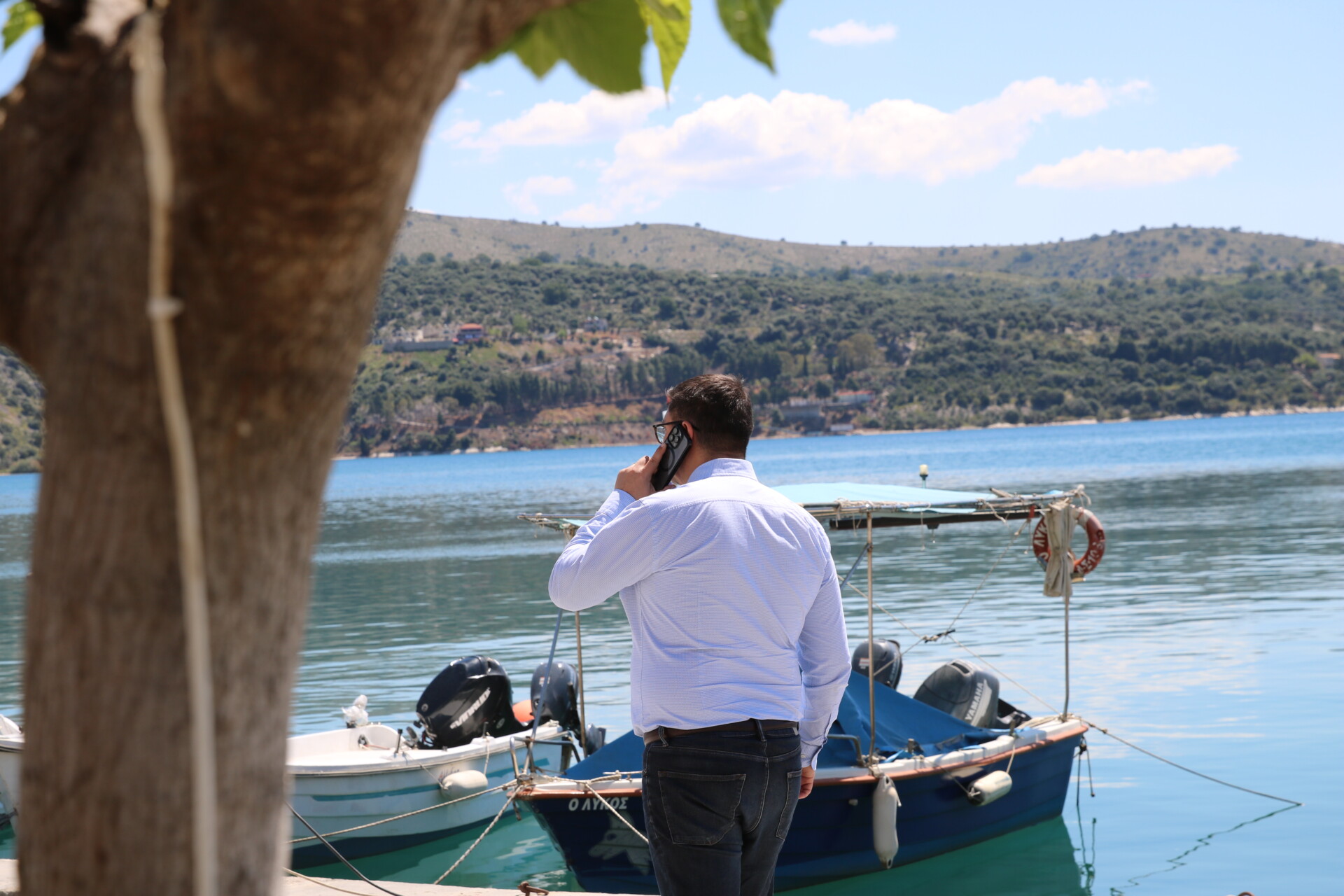
“Respecting the environment and the next generation, we cannot hand over something worse than we received,” said Ioannis Triantafyllakis, Mayor of Xiromero—the region that neighbors the Gulf to the south and includes Astakos.
An Athens-born, ex-doctor, Triantafyllakis has witnessed biodiversity loss while spearfishing in the areas around pens. Despite this, he claims he has also faced pressure from the central administration to expand the geographic area dedicated to fish farming off his region’s coastline by over 20 times.
“They didn’t accept the red lines we had set as a municipal authority and as a community,” he said. “It was decided to go to the [Supreme Court] to claim our right for what we believe.”
While Triantafyllakis’ administration battles in the courts against expansion, he readily admits that aquaculture might be a “necessary evil” for people to be able to support their families in an area with few other economic prospects.
“We are accused of stepping in two boats,” he said. “We don’t want to affect an economic sector in the area, but neither deprive our place of the prospect of development so it can have a future.”
While opponents claim Greek aquaculture has not created any new jobs in over 20 years, the fishermen now facing ecologically forced early retirement are adamant to cling onto what little they’ve got left.
“The future of this bay, it’s dark” said Pavlos Charalambous, while eating wild-caught sardines overlooking the blue expanse from which they came.
His father, a fisherman, paid for his studies from the richness of these waters. Yet now, his son, who chose a career in real estate instead, asks why Pavlos keeps fighting and organizing against fish farms into his 70s.
“One cuckoo cannot bring spring,” he tells his son, repeating the ancient Greek proverb that change requires collective action. While the government bets on an industry it struggles to control, Pavlos seeks to protect one of the Mediterranean’s most important marine sanctuaries.
“I was raised in this bay,” he said. “I battle for that.”
(The reporting for this story was part of a larger investigation conducted in collaboration with Inside Climate News and an international team of journalists based at The Outlaw Ocean Project.)
Before you go, can you chip in?

Quality journalism is not of no cost. If you think what we do is important, please consider donating and becoming a reader who makes our work possible.