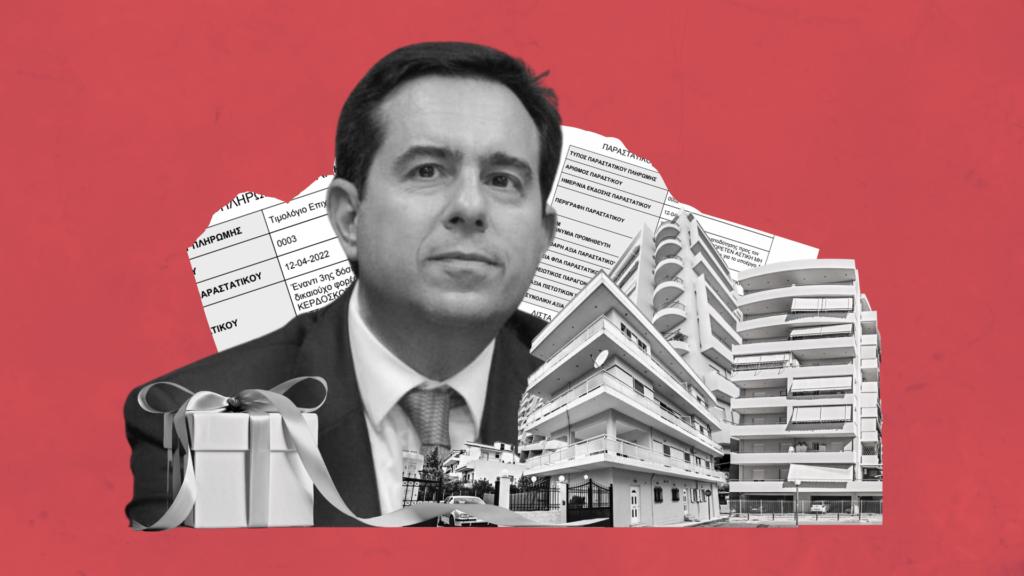
Κυρώσεις στον πρώην διοικητή του Ταμείου Ανάκαμψης μετά από αναφορά του Solomon
Διετέλεσε διοικητής του Ταμείου Ανάκαμψης για σχεδόν τρία χρόνια. Έπειτα ανέλαβε ανώτατη θέση σε εταιρεία που είχε χρηματοδοτηθεί με εκατ. ευρώ από το Ταμείο επί της θητείας του. Η αρμόδια επιτροπή της Εθνικής Αρχής Διαφάνειας δεν γνώριζε τη μετακίνησή του — την έμαθε από το Solomon. Έναν χρόνο και 46 email αργότερα, δημοσιεύουμε το πόρισμα της Επιτροπής Δεοντολογίας.
«Κλείνοντας έναν ξεχωριστό κύκλο…», ξεκινούσε η ανάρτηση στο LinkedIn στις 13 Ιανουαρίου 2025. Ακολουθούσε η ανακοίνωση: «Μετά από σχεδόν έναν χρόνο, αποχωρώ από τη Sunlight Energy Storage Group».
Με αυτόν τον τρόπο o Νίκος Μαντζούφας, ανώτατο στέλεχος της Sunlight, της εταιρείας τεχνολογίας που ειδικεύεται στην παραγωγή και διάθεση μπαταριών και συστημάτων αποθήκευσης ενέργειας, γνωστοποιούσε την αποχώρησή του.
Η σύντομη θητεία του στη Sunlight, όμως, δεν ήταν η πρώτη φορά που στην επαγγελματική του πορεία διασταυρωνόταν με τον επιχειρηματικό κολοσσό. Μόλις έναν χρόνο νωρίτερα, ενώ υπηρετούσε στο Δημόσιο ως διοικητής του Ταμείου Ανάκαμψης, η Sunlight Group είχε εξασφαλίσει δάνεια ύψους 87,5 εκατ. ευρώ με ευνοϊκούς όρους από το Ταμείο.
Τίποτα από όλα αυτά δεν έμοιαζε να είναι μυστικό. Ωστόσο, υπήρχε κάποιος που φαινόταν να μην γνώριζε: η Επιτροπή Δεοντολογίας της Εθνικής Αρχής Διαφάνειας (ΕΑΔ), αρμόδια για την εξέταση αιτημάτων μετάβασης από τον δημόσιο στον ιδιωτικό τομέα υψηλόβαθμων στελεχών του Δημοσίου, και την έρευνα πιθανών συγκρούσεων συμφερόντων.
Και ενώ αυτή μοιάζει με μια υπόθεση που εγείρει σοβαρά ζητήματα σύγκρουσης συμφερόντων, ρεπορτάζ του Solomon, τον Φεβρουάριο του 2025, είχε δείξει ότι ποτέ δεν υποβλήθηκε αίτηση του κ. Μαντζούφα για χορήγηση άδειας άσκησης επαγγελματικής δραστηριότητας, όπως προβλέπει η νομοθεσία. «Για το εάν ήταν υποχρεωμένος προς τούτο, αυτό θα πρέπει να διερευνηθεί από την Επιτροπή Δεοντολογίας στο πλαίσιο των αρμοδιοτήτων της με την τήρηση της νόμιμης διαδικασίας», είχε απαντήσει η Επιτροπή στο Solomon στις 7 Φεβρουαρίου 2025.
Χρειάστηκε να περάσει ένας όλοκληρος χρόνος και να σταλούν 46 μηνύματα ηλεκτρονικής αλληλογραφίας μεταξύ των δημοσιογράφων του Solomon και της Επιτροπής για να μας κοινοποιηθεί τελικά το πόρισμα που έκρινε ότι ο κ. Μαντζούφας έπρεπε να έχει ζητήσει άδεια για να μετακινηθεί στην Sunlight.
Το Solomon δημοσιεύει σήμερα το πόρισμα, καθώς και τη διαδρομή που οδήγησε στην έκδοσή του – μια υπόθεση που φωτίζει τόσο τα ζητήματα αδιαφάνειας σε περιπτώσεις σύγκρουσης συμφερόντων όσο και το κατά πόσο η Αρχή που ήρθε σύμφωνα με τον πρωθυπουργό Κυριάκο Μητσοτάκη να αντιμετωπίσει «εθνικά εμπόδια» όπως «η γραφειοκρατία, η αδιαφάνεια, η διαφθορά», καταφέρνει να ανταποκριθεί στο ρόλο της.
Διοικητής στο Ταμείο Ανάκαμψης
Ο Νίκος Μαντζούφας υπηρέτησε στην ανώτατη θέση του Ταμείου Ανάκαμψης, ως διοικητής, επί σχεδόν τρία χρόνια: από τον Νοέμβριο του 2020 έως και τον Ιούλιο του 2023.
Το Ταμείο Ανάκαμψης είναι το κύριο χρηματοδοτικό εργαλείο της Ευρωπαϊκής Ένωσης, που δημιουργήθηκε για να βοηθήσει στην αντιμετώπιση των οικονομικών επιπτώσεων της πανδημίας COVID-19. Στην Ελλάδα, το πρόγραμμα ονομάζεται «Ελλάδα 2.0» και αφορά συνολικά 35,95 δισ. ευρώ ευρωπαϊκών πόρων που διατίθενται για επενδύσεις στη χώρα.
Κατά τη θητεία του κ. Μαντζούφα, το Ταμείο ενέκρινε €87,5 εκατ. ευρώ για επενδυτικό έργο της Sunlight που αφορούσε μεταξύ άλλων στην κατασκευή νέων κτιριακών εγκαταστάσεων και την προσθήκη μηχανολογικού εξοπλισμού. Ο ίδιος ο Νίκος Μαντζούφας χαρακτήρισε την επένδυση «εμβληματική», ενώ ο αναπληρωτής υπουργός Οικονομικών, Θεόδωρος Σκυλακάκης, τόνισε ότι η εταιρεία εξασφάλισε ευνοϊκούς όρους δανεισμού σε μία περίοδο ραγδαίας αύξησης επιτοκίων, και ότι το έργο προάγει την πράσινη και ψηφιακή μετάβαση της χώρας.
Η μετακίνηση στην Sunlight
Το καλοκαίρι του 2023, ο κ. Μαντζούφας αποχώρησε από τη θέση του διοικητή στο Ταμείο Ανάκαμψης. Έξι μήνες αργότερα, τον Ιανουάριο του 2024, προσλήφθηκε στη Sunlight Group.
Σύμφωνα με ανακοίνωση της εταιρείας, ανέλαβε καθήκοντα διευθυντή χρηματοδότησης και θεσμικών σχέσεων, θέση που σχετιζόταν ευθέως με τη νέα επένδυση της εταιρείας για τη δημιουργία gigafactory μπαταριών λιθίου στην Δυτική Μακεδονία, συνολικού ύψους άνω του 1,2 δισ. ευρώ. Όπως ανέφερε η εταιρεία, «με την προσθήκη του κ. Μαντζούφα, η Sunlight Group επιταχύνει το έργο της κατασκευής του gigafactory στοιχείων λιθίου του ομίλου».
Τον Οκτώβριο του 2024, ενώ ο κ. Μαντζούφας εργαζόταν στη Sunlight, η εταιρεία εξασφάλισε ευρωπαϊκή χρηματοδότηση ύψους 245 εκατ. ευρώ από το Innovation Fund για το εργοστάσιο μπαταριών λιθίου. Θεωρείται πως ελάχιστες εταιρείες έλαβαν τόσο υψηλές ενισχύσεις στον συγκεκριμένο κύκλο χρηματοδότησης, ο οποίος αξιολογούσε επενδυτικά σχέδια με κριτήριο την καινοτομία.
Η επένδυση τελικά ναυάγησε και ο κ. Μαντζούφας αποχώρησε από τον όμιλο σχεδόν ένα χρόνο μετά την ανάληψη των καθηκόντων του.
Άγνοια από την Επιτροπή Δεοντολογίας
Τον Ιανουάριο του 2025, το Solomon υπέδειξε την περίπτωση του κ. Μαντζούφα στην Επιτροπή Δεοντολογίας της Εθνικής Αρχής Διαφάνειας (ΕΑΔ), αρμόδια για την έγκριση μετακινήσεων ανώτερων στελεχών του Δημοσίου σε ενδεχομένως συναφείς θέσεις στον ιδιωτικό τομέα.
Η Επιτροπή υποστήριξε στο Solomon ότι δεν είχε έως τότε γνώση ότι το κορυφαίο στέλεχος του Ταμείου Ανάκαμψης, που είχε διαχειριστεί δεκάδες δισ. ευρώ, είχε μετακινηθεί σε επενδυτικό όμιλο που είχε λάβει χρήματα από το Ταμείο. Αφού διαπίστωσε ότι η υπόθεση εμπίπτει στις αρμοδιότητές της, ξεκίνησε τη διερεύνησή της. Καθ’ όλη τη διάρκεια του 2025, το Solomon επικοινωνούσε τακτικά με την Επιτροπή για ενημέρωση σχετικά με την πρόοδο της διαδικασίας.
Στο μεταξύ, τον Φεβρουάριο του 2025, ο κ. Μαντζούφας προχώρησε στη σύσταση της συμβουλευτικής εταιρείας Navitas Mandate European Partners, η οποία ανέλαβε ανάθεση από την Κομισιόν για την προώθηση Συμπράξεων Δημόσιου-Ιδιωτικού Τομέα (PPPs) σε Ουκρανία, Μολδαβία και Αρμενία. Τον Δεκέμβριο του 2025, ο κ. Μαντζούφας προσχώρησε στην EY-Parthenon, την συμβουλευτική μονάδα στρατηγικής της πολυεθνικής EY. Ως επικεφαλής για τις «Ευρωπαϊκές Πολιτικές & Πρόσβαση σε Χρηματοδοτικά Εργαλεία και Κίνητρα της ΕΕ» θα υποστηρίζει οργανισμούς στο σχεδιασμό στρατηγικών έργων, την υλοποίηση επενδύσεων και τη χρήση ευρωπαϊκών προγραμμάτων χρηματοδότησης.
Καθυστερήσεις στην έκδοση πορίσματος
Μέσα στο 2025, η Επιτροπή Δεοντολογίας κοινοποιούσε στο Solomon προθεσμίες για την γνωστοποίηση του πορίσματός της σχετικά με τον κ. Μαντζούφα, που στη συνέχεια αναβάλλονταν.
Τον Ιούλιο του 2025, ο πρόεδρος της Επιτροπής Δεοντολογίας, Παρασκευάς Νομικός, μας ενημέρωσε πως είχε ολοκληρωθεί ο έλεγχος της υπόθεσης και είχε συνταχθεί «εμπιστευτικό πόρισμα, το οποίο απεστάλη στην Αναπληρώτρια Διοικητή της Εθνικής Αρχής Διαφάνειας, προκειμένου να εκδώσει σύμφωνη με αυτό διοικητική πράξη».
Στη συνέχεια, ενημερωθήκαμε πως η απόφαση θα δημοσιευθεί έως τα τέλη Οκτωβρίου. Στις 13 Νοεμβρίου 2025, το Γραφείο Διοικήτριας της ΕΑΔ απέδωσε τις καθυστερήσεις στον φόρτο εργασίας, και μας ενημέρωσε πως «από πλευράς μας έχουμε πραγματοποιήσει τις απαραίτητες διοικητικές ενέργειες που προβλέπονται».
Ενημερωθήκαμε, επίσης, πως δεν ήταν δυνατόν να μας κοινοποιηθεί το πόρισμα καθώς «βρίσκονται σε εξέλιξη διοικητικές διαδικασίες και ενέργειες», αλλά πρόκειται να αναρτηθεί στην ιστοσελίδα της ΕΑΔ. Έως και σήμερα 4 Φεβρουαρίου του 2026, το πόρισμα δεν έχει αναρτηθεί.
Τι αναφέρει το πόρισμα
Το έγγραφο του πορίσματος που λάβαμε στις 16 Ιανουαρίου 2026 περιγράφει την έρευνα σχετικά με την ανάληψη θέσης στον όμιλο Sunlight από τον κ. Μαντζούφα, σε σύντομο διάστημα από την αποχώρησή του από το Ταμείο Ανάκαμψης.
[Για πρόσβαση σε ολόκληρο το έγγραφο του πορίσματος πατήστε εδώ.]
Η έρευνα διαπίστωσε ότι ο κ. Μαντζούφας όφειλε, σύμφωνα με τον νόμο, να υποβάλει αίτημα άδειας πριν από την πρόσληψή του στη Sunlight. Το πόρισμα δεν υιοθετεί τις θέσεις του πρώην διοικητή, ωστόσο σύμφωνα με νομικές πηγές που μίλησαν στο Solomon, πρόκειται για ένα «αμήχανο νομικά κείμενο» το οποίο δεν καταλήγει με σαφήνεια στο εάν υπήρξε σύγκρουση συμφέροντων ή όχι. Γι’ αυτό το λόγο, το Solomon απευθήνθηκε εκ νέου στην Επιτροπή ζητώντας διευκρινήσεις σχετικά με τα συμπεράσματά της.
Η Επιτροπή απάντησε πως η έρευνα δεν εντόπισε σύγκρουση συμφερόντων από την μετακίνησή του Μαντζούφα στην Sunlight, διαπίστωσε ωστόσο παραβίαση καθώς δεν της δόθηκε η δυνατότητα να την αξιολογήσει προτού πραγματοποιηθεί.
Νομικές πηγές επεσήμαναν στο Solomon την προσπάθεια της Επιτροπής να εκφράσει έμμεσα την αρμοδιότητά της και το συμπέρασμά της, προσπάθεια που ενδεχομένως δείχνει «μια προσχηματική λειτουργία και όχι ουσιαστική άσκηση των καθηκόντων της».
Λόγω της παράκαμψης της υποχρεωτικής αυτής διαδικασίας, το πόρισμα εισηγείται την επιβολή των προβλεπόμενων κυρώσεων. Αν και στο πόρισμα που κοινοποιήθηκε στο Solomon απουσιάζουν οι συγκεκριμένες ποινές που επιβλήθηκαν, ο νόμος προβλέπει ότι σε περίπτωση παράβασης μπορεί να επιβληθεί χρηματικό πρόστιμο και απαγόρευση διορισμού για περίοδο έως πέντε ετών από τη διαπίστωση της παράβασης.
Σε απαντητική του επιστολή προς την Επιτροπή, ο κ. Μαντζούφας υποστήριξε ότι δεν προέκυψε κατάσταση σύγκρουσης συμφερόντων από την απασχόλησή του. Συγκεκριμένα, ισχυρίστηκε ότι ούτε ο ίδιος ούτε οι υφιστάμενοί του είχαν ελέγξει ή παρακολουθήσει τις επενδύσεις ή χρηματοδοτήσεις της Sunlight Group, τονίζοντας ότι το θεσμικό πλαίσιο του Ταμείου Ανάκαμψης δεν του παρείχε αρμοδιότητα για τον έλεγχο της υλοποίησης επιμέρους έργων.
Το Solomon επικοινώνησε με τον κ. Μαντζούφα ζητώντας σχόλιο.
Ο κ. Μαντζούφας αρνείται κατηγορηματικά ότι υπήρξε οποιαδήποτε σύγκρουση συμφέροντος, θεωρεί «το πόρισμα της Επιτροπής πλήρως εσφαλμένο», και σημειώνει πως έχει ήδη προσφύγει στο Συμβούλιο της Επικρατείας ζητώντας την ακύρωση του προστίμου.
Επιτελεί τον ρόλο της η Επιτροπή Δεοντολογίας και η ΕΑΔ;
Η περίπτωση του Νίκου Μαντζούφα είναι ενδεικτική των ορίων της Επιτροπής Δεοντολογίας.
Σκοπός της Επιτροπής είναι η διασφάλιση «μηδενικής ανοχής στη διαφθορά και της ενίσχυσης της διαφάνειας και των μηχανισμών λογοδοσίας στη Δημόσια Διοίκηση», ώστε να μην αξιοποιούνται εσωτερικές γνώσεις και πληροφορίες του Δημοσίου προς όφελος ιδιωτικών εταιρειών, μέσα από το φαινόμενο της «περιστρεφόμενης πόρτας» (revolving door).
Αλλά πώς λειτουργεί στην πράξη η Επιτροπή; Τον Φεβρουάριο του 2025, το ρεπορτάζ του Solomon είχε αναδείξει την πραγματικότητα πέρα από τις αρχικές εξαγγελίες.
Μέσα σε σχεδόν πέντε χρόνια (2021-2025), η Επιτροπή εξέτασε υποθέσεις που αφορούσαν μόλις 17 φυσικά πρόσωπα. Έως και τον Ιανουάριο του 2026 εξέτασε τέσσερις ακόμα καταγγελίες, εκ των οποίων η μία του Solomon για τον κ. Μαντζούφα.
Ακόμα και σε περιπτώσεις που επισημάνθηκε πιθανή σύγκρουση συμφερόντων, η άδεια τελικώς δόθηκε, με την προσθήκη όρων που είναι αμφίβολο εάν μπορούν να ελεγχθούν (π.χ. να απέχει ένα στέλεχος από συγκεκριμένες συναντήσεις ή διαπραγματεύσεις).
Αυτό είχε ως αποτέλεσμα ανώτατα στελέχη του Δημοσίου να μετακινούνται σε εταιρείες που έως τότε επόπτευαν. Στην υπόθεση «περιστρεφόμενης πόρτας» του πρώην διοικητή του Ταμείου Ανάκαμψης αναδεικνύονται και οι βραδυκίνητες διαδικασίες της Επιτροπής Δεοντολογίας: η Επιτροπή δεν είχε γνώση της υπόθεσης και χρειάστηκε να περάσει ένας ολόκληρος χρόνος μέχρι να φτάσουμε τελικά στην κοινοποίηση του πορίσματος.
Η υποστελέχωση της Επιτροπής Δεοντολογίας
Σε γραπτή επικοινωνία του Solomon προς την Επιτροπή Δεοντολογίας θέσαμε το ζήτημα της καθυστέρησης στην υπόθεση του κ. Μαντζούφα. Η Επιτροπή απάντησε ότι εκτιμάει πως δεν υπήρξε καθυστέρηση, καθώς ολοκλήρωσε το πόρισμα τον Ιούνιο, το οποίο από τον Ιούλιο βρισκόταν στα χέρια της Διοικήτριας της ΕΑΔ. Σύμφωνα με την Επιτροπή, το χρονικό διάστημα των πέντε μηνών και εννέα ημερών θεωρείται εύλογο, λόγω του όγκου των στοιχείων, των διαδικαστικών ενεργειών και του φόρτου εργασίας των μελών της, τα οποία δεν έχουν αποκλειστική απασχόληση στην Επιτροπή.
Όπως επισημαίνει η Επιτροπή, τα μέλη της έχουν πολλές υποχρεώσεις λόγω των βασικών εργασιακών τους θέσεων, γεγονός που επηρεάζει τη συχνότητα των συνεδριάσεων. Παράλληλα, αναγνωρίζει κενά στη λειτουργία της και δηλώνει ότι έχει υποβάλει προτάσεις για την υποστήριξη του ελεγκτικού της έργου.
Από την πλευρά του, ο εκτελεστικός διευθυντής του ελληνικού γραφείου της Διεθνούς Διαφάνειας, δρ. Αλέξανδρος Κασκάνης, μίλησε στο Solomon για σοβαρά ζητήματα υποστελέχωσης και ανέφερε πως «οι ανεξάρτητες Αρχές γενικώς, όχι μόνο η Εθνική Αρχή Διαφάνειας, θα μπορούσαν να λαμβάνουν ουσιαστικότερη θεσμική μέριμνα και χρηματική στήριξη της πολιτείας».
Εάν η Επιτροπή Δεοντολογίας δεν λειτουργούσε σε καθεστώς υποστελέχωσης, είπε ο κ. Κασκάνης, ένα ρεαλιστικό χρονοδιάγραμμα για την έκδοση μιας αντίστοιχης απόφασης θα έπρεπε να ήταν σε λιγότερο από εντός ενός μήνα.
Από το 2019 αναμένεται το Προεδρικό Διάταγμα
Σύμφωνα με τον νόμο για το επιτελικό κράτος του 2019 αναμένεται η έκδοση Προεδρικού Διατάγματος στο οποίο θα ρυθμίζονται μια σειρά από διαδικασίες που θα βελτιώνουν και θα εξειδικεύουν το έργο της Επιτροπής.
Από το 2019 μέχρι σήμερα ο πρωθυπουργός ωστόσο δεν έχει υπογράψει σχετικό διάταγμα δημιουργώντας ερωτήματα σχετικά με το αν η Επιτροπή και η ΕΑΔ δημιουργήθηκαν για να εκτελούν το ρόλο τους ή για να καλύπτουν τους τυπικούς όρους διαφάνειας που ορίζει η Ευρωπαϊκή Ένωση.
Πάντως, ο κ. Κασκάνης επισημαίνει τον ρόλο και των ίδιων των δημόσιων λειτουργών, οι οποίοι και θα πρέπει «να αντιλαμβάνονται τον θεσμικό ρόλο τους και τον κοινωνικό και εταιρικό τους αντίκτυπο».
«Δεν είναι τυχαίο που από τις μετρήσεις του Ευρωβαρόμετρου προκύπτει ότι το 80-90% των Ελλήνων δεν εμπιστεύονται τη σχέση ιδιωτικού και δημοσίου τομέα», σχολιάζει.